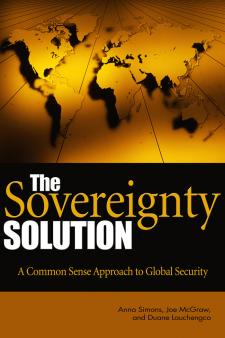
We need to remember that others’ values matter to them just as much as ours do to us. So long as our sovereignty is not threatened, or attacked, what difference do our differences make? In the twenty-first century, this is no longer a libertarian question: instead, it goes to the heart of why we have adversaries at all. A foreign policy based on principled noninterference would remove the crosshairs from our back. Beyond this immediate benefit it would impel others to develop abilities too many currently shirk
Look closely – the aid industry not only enables governments to avoid having to fulfill obligations to their citizens, but it also fails to impel them to have to live up to their sovereign duties. Or, to put none too fine a point on it: aid not only corrupts, it undermines sovereignty absolutely.
As Americans, we tend to be impatient, we pride ourselves on being problem solvers, we don’t mind getting our hands dirty, we quickly become frustrated when people refuse to help themselves. Add these up and it should be apparent that while we are not particularly well suited to sustain operations that may achieve only incremental and hard-to-measure results among people whose values and priorities differ from ours, we have exactly the traits needed to help anyone cope with the immediate aftereffects of large-scale natural disasters.
There are many reasons the United States should want to rush aid to victims during the triage phase of recovery from natural disasters. Not only is this what all good global neighbors should strive to do and what American citizens always seek to do anyway, but there is no surer way to show people elsewhere how well democracy and a free market economy can work – since without them we wouldn’t have either surpluses or skills to share.
Subheadings
Education and Training Yes, Development Aid No
National Security Yes, National Interests No
Natural Disasters and Humanitarian Assistance
 Sovereignty Solution